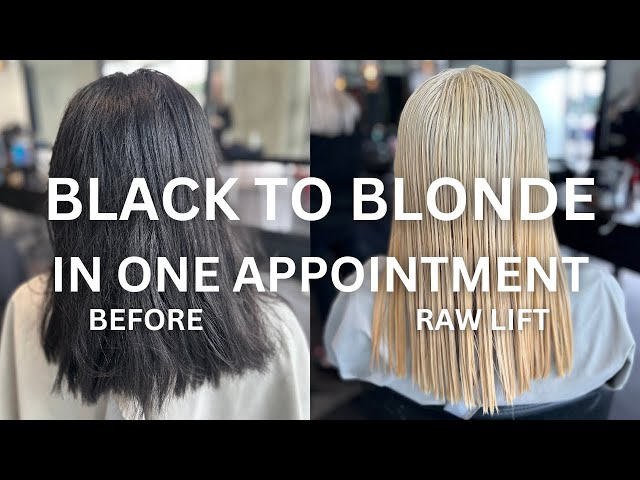
The stages of lightening dark hair refer to the sequential steps involved in reducing the pigment level of dark hair to achieve a lighter shade. For instance, going from dark brown to blonde typically requires multiple bleaching sessions.
Lightening dark hair offers numerous benefits, including enhancing hair color, creating highlights or lowlights, and correcting color mistakes. Historically, people lightened their hair using natural ingredients like lemon juice and honey. Today, chemical hair lighteners provide faster and more effective results.
This article delves into the various stages of lightening dark hair, exploring the techniques, products, and considerations at each step. Readers will gain insights into the process and techniques used by professional hairstylists to achieve desired hair color transformations.
stages of lightening dark hair
Understanding the stages of lightening dark hair is crucial for achieving optimal results and minimizing damage to the hair. These stages involve a sequence of processes, each with its own considerations and techniques.
- Preparation: Assessing hair health, porosity, and color history.
- Bleach application: Selecting the appropriate bleach strength and application method.
- Toning: Neutralizing unwanted tones and enhancing desired shades.
- Conditioning: Restoring hair moisture and reducing breakage.
- Maintenance: Protecting and preserving the lightened hair color.
Lightening dark hair effectively requires careful consideration of each stage. For example, understanding hair porosity helps determine the bleach strength and processing time. Toning is essential to correct brassiness or yellow tones and achieve the desired color. Proper conditioning prevents dryness and breakage, while maintenance strategies ensure longevity of the lightened hair color.
Preparation
Preparation is a crucial stage in lightening dark hair, as it directly influences the success and health of the lightened hair. Assessing hair health, porosity, and color history helps hairstylists tailor the lightening process to the specific needs of the hair, minimizing damage and achieving optimal results.
Hair health refers to the overall condition of the hair, including its strength, elasticity, and moisture levels. Healthy hair is more resilient to the bleaching process and can withstand the chemical treatments involved in lightening. Porosity measures the hair's ability to absorb and retain moisture. High porosity hair is more susceptible to damage during lightening, as it absorbs bleach more quickly. Color history refers to any previous chemical treatments or color applications the hair has undergone. This information helps hairstylists determine the appropriate bleach strength and processing time to avoid over-processing or unwanted color interactions.
For example, if a client has fine, low-porosity hair with no previous color treatments, the hairstylist may choose a weaker bleach and shorter processing time to minimize damage. Conversely, if a client has thick, high-porosity hair with multiple previous color applications, the hairstylist may need to use a stronger bleach and longer processing time to achieve the desired level of lightening. Skipping the preparation stage or inaccurately assessing hair health, porosity, and color history can lead to uneven lightening, brassiness, or hair breakage.
Therefore, preparation is an essential component of lightening dark hair, as it allows hairstylists to customize the process to the individual client's hair needs. By carefully assessing hair health, porosity, and color history, hairstylists can increase the likelihood of achieving beautiful, healthy lightened hair.
Bleach application
Bleach application is a critical component of the stages of lightening dark hair, directly influencing the level of lightening achieved and the overall health of the hair. Selecting the appropriate bleach strength and application method is crucial to minimize damage and achieve optimal results.
Bleach strength refers to the concentration of the bleaching agent, typically measured in volumes. Higher volume bleach lifts more pigment, resulting in lighter hair. However, higher strength bleach can also be more damaging to the hair, causing dryness, breakage, and scalp irritation. Porosity and hair health should be considered when selecting bleach strength. For example, high-porosity hair may require a lower volume bleach to avoid over-processing, while low-porosity hair may need a higher volume bleach to achieve the desired level of lightening.
Application method also plays a significant role in the stages of lightening dark hair. There are two primary application methods: on-scalp and off-scalp. On-scalp application involves applying bleach directly to the roots of the hair, while off-scalp application involves applying bleach to the mid-lengths and ends of the hair, avoiding the roots. Off-scalp application is often used for touch-ups or to create highlights, as it minimizes scalp irritation and damage to new hair growth.
Understanding the connection between bleach application and the stages of lightening dark hair allows hairstylists to tailor the process to the individual client's hair needs. By carefully selecting the appropriate bleach strength and application method, hairstylists can increase the likelihood of achieving beautiful, healthy lightened hair while minimizing damage and unwanted side effects.
Toning
Toning is an integral step in the stages of lightening dark hair, playing a pivotal role in neutralizing unwanted tones and enhancing desired shades. It involves applying a toner to the hair after the bleaching process to correct brassiness, yellow tones, or uneven color, resulting in a more polished and refined look.
- Color Correction: Toners can neutralize unwanted warm tones, such as brassiness or yellowness, often caused by the bleaching process. By adding cool tones, toners counteract these unwanted hues, resulting in a more desirable color.
- Enhancement of Desired Shades: Toners can enhance and intensify desired hair colors. For example, a purple toner can enhance cool blonde shades, while a gold toner can enhance warm blonde shades. Toners allow for customization and fine-tuning of the final hair color.
- Damage Mitigation: Toners often contain conditioning agents that help repair and strengthen the hair after the bleaching process. These nourishing ingredients can reduce breakage and improve the overall health of the hair.
- Longevity: Toning can help extend the longevity of lightened hair color. Toners seal the hair cuticle, preventing color fading and brassiness from reappearing quickly. This helps maintain the desired hair color for a longer duration.
Overall, toning plays a multifaceted role in the stages of lightening dark hair. It neutralizes unwanted tones, enhances desired shades, mitigates damage, and extends color longevity. By understanding the components and implications of toning, hairstylists and clients can achieve beautiful, healthy lightened hair with the desired color and tone.
Conditioning
In the stages of lightening dark hair, conditioning plays a pivotal role in restoring hair moisture and reducing breakage, ensuring the health and integrity of the hair throughout the lightening process.
-
Moisture Replenishment:
Bleaching can strip the hair of its natural oils and moisture, leading to dryness and brittleness. Conditioners replenish lost moisture by infusing the hair with hydrating ingredients, restoring its softness and elasticity. -
Strengthening and Repair:
The chemical processes involved in lightening can weaken the hair's structure, making it more prone to breakage. Conditioners contain strengthening agents that help repair damaged hair, reinforce its bonds, and improve its resilience. -
Detangling and Manageability:
Lightened hair can become tangled and difficult to manage due to its altered structure. Conditioners act as detangling agents, smoothing the hair cuticles and reducing friction, making it easier to comb and style. -
Protection and Prevention:
Conditioners provide a protective layer on the hair, shielding it from environmental aggressors such as heat styling tools, UV radiation, and pollution. This protection helps prevent further damage and maintains the health of the lightened hair.
By understanding the multifaceted role of conditioning in the stages of lightening dark hair, hairstylists and clients can prioritize hair health and achieve beautiful, resilient lightened hair. Regular conditioning treatments help restore moisture, strengthen the hair, improve manageability, and safeguard it from damage, ensuring the longevity and vitality of lightened locks.
Maintenance
In the stages of lightening dark hair, maintenance plays a critical role in protecting and preserving the lightened hair color, ensuring its vibrancy and longevity. Without proper maintenance, lightened hair can become dull, brassy, and damaged, compromising the overall aesthetic and health of the hair.
Maintenance encompasses a range of practices that safeguard the lightened hair from environmental aggressors, chemical damage, and natural fading. These practices include:
- Regular conditioning treatments to replenish moisture and strengthen the hair
- Using color-protecting shampoos and conditioners to prevent fading and brassiness
- Minimizing heat styling and using heat protectant sprays to reduce thermal damage
- Protecting the hair from sun exposure with hats or UV protectant sprays
- Avoiding harsh chemical treatments, such as perms or relaxers, which can weaken the hair
By understanding the connection between maintenance and the stages of lightening dark hair, individuals can take proactive measures to preserve their lightened hair color and maintain its health. Regular maintenance practices not only enhance the appearance of the hair but also prolong its vibrancy and prevent costly and time-consuming color corrections. Embracing a comprehensive maintenance routine is essential for anyone who desires long-lasting, beautiful lightened hair.
FAQs on Stages of Lightening Dark Hair
This section addresses frequently asked questions and clarifies aspects related to the stages of lightening dark hair, providing valuable insights for readers seeking to achieve desired hair color transformations.
Question 1: What are the key stages involved in lightening dark hair?
Answer: The stages of lightening dark hair typically involve preparation, bleach application, toning, conditioning, and maintenance. Each stage plays a crucial role in achieving optimal results while minimizing damage to the hair.
Question 2: How do I determine the appropriate bleach strength for my hair?
Answer: The appropriate bleach strength depends on factors such as hair health, porosity, and desired level of lightening. A professional hairstylist can assess these factors and recommend the most suitable bleach strength to avoid over-processing or damage.
Question 3: What is the purpose of toning after bleaching?
Answer: Toning neutralizes unwanted tones, such as brassiness or yellowness, that may arise during the bleaching process. It enhances the desired hair color, corrects unevenness, and adds depth and dimension to the lightened hair.
Question 4: How often should I condition my hair after lightening?
Answer: Regular conditioning is crucial to restore moisture and strengthen lightened hair. Aim to condition your hair at least once a week, or more often if your hair feels dry or damaged. Deep conditioning treatments can provide additional nourishment and repair.
Question 5: What are some tips for maintaining lightened hair color?
Answer: To maintain lightened hair color, use color-protecting shampoos and conditioners, minimize heat styling, protect your hair from sun exposure, and avoid harsh chemical treatments. Regular touch-ups may also be necessary to maintain the desired level of lightness.
Question 6: Can I lighten my hair at home?
Answer: While home hair lightening kits are available, it is generally recommended to seek professional hair lightening services. Home lightening can be risky and may result in uneven color, hair damage, or unsatisfactory results. A hairstylist can assess your hair and perform the lightening process safely and effectively.
These FAQs provide a comprehensive overview of the key considerations and steps involved in lightening dark hair. Understanding these aspects can help you achieve and maintain beautiful, healthy lightened hair.
In the next section, we will delve into the techniques used by professional hairstylists to achieve optimal lightening results, addressing common challenges and providing tips for successful hair transformations.
Tips for Lightening Dark Hair
This section provides practical tips and techniques to guide you through the stages of lightening dark hair, helping you achieve your desired hair color while minimizing damage and maintaining healthy hair.
Choose a reputable hair salon and stylist with experience in hair lightening. A skilled stylist can assess your hair health and recommend the appropriate lightening techniques and products for your specific needs.
Start with a gradual approach, especially if you have dark hair. Avoid attempting extreme lightening in one session, as this can lead to hair damage. Break down the lightening process into smaller steps, gradually lifting the hair color over several appointments.
Use high-quality hair care products designed for lightened hair. Color-protecting shampoos and conditioners can help prevent fading and brassiness, while nourishing treatments and masks can restore moisture and strengthen the hair.
Minimize heat styling as heat can damage lightened hair. Air-drying or using a diffuser on a low heat setting is recommended. If you must use heat styling tools, apply a heat protectant spray to safeguard your hair.
Protect your hair from the sun. UV rays can cause color fading and brassiness. Wear a hat or use a UV protectant spray when spending time outdoors.
Get regular trims. Removing split ends will help prevent breakage and keep your lightened hair looking healthy and vibrant.
Be patient. Lightening dark hair can take time and multiple sessions to achieve the desired results. Avoid rushing the process, as this can compromise the health of your hair.
Follow your stylist's instructions. Your hairstylist will provide specific care instructions based on your hair type and the lightening techniques used. Adhering to these instructions will help you maintain the integrity of your lightened hair.
By implementing these tips, you can increase the likelihood of achieving beautiful, healthy lightened hair. Remember to consult with a professional hairstylist throughout the process to ensure optimal results and hair care.
In the final section, we will discuss additional considerations and techniques for lightening dark hair, providing insights into advanced hair lightening strategies and the latest industry trends.
Conclusion
Throughout this article, we have explored the multifaceted journey of lightening dark hair, examining each stage and its significance in achieving beautiful, healthy results. Key insights emerged, emphasizing the importance of:
- Professional Guidance: Seeking the expertise of a skilled hairstylist is crucial to navigate the lightening process safely and effectively.
- Gradual Lightening: Patience and a step-by-step approach are essential to minimize hair damage and achieve desired results without compromising hair health.
- Post-Lightening Care: Embracing proper hair care practices, such as using color-protecting products, minimizing heat styling, and getting regular trims, is vital for maintaining the integrity and vibrancy of lightened hair.
Remember, lightening dark hair is a transformative process that requires knowledge, skill, and proper aftercare. By understanding the stages involved and implementing the tips and techniques discussed in this article, you can embark on your hair lightening journey with confidence, empowering yourself to achieve your desired hair color while preserving the health and beauty of your locks.




No comments:
Post a Comment